Kitchen & storage
Soft Rotis: Choose the Grind, Then Adjust the Dough
Make softer rotis with practical changes to hydration, resting and cooking. Understand why fine grinding is different from refining flour.
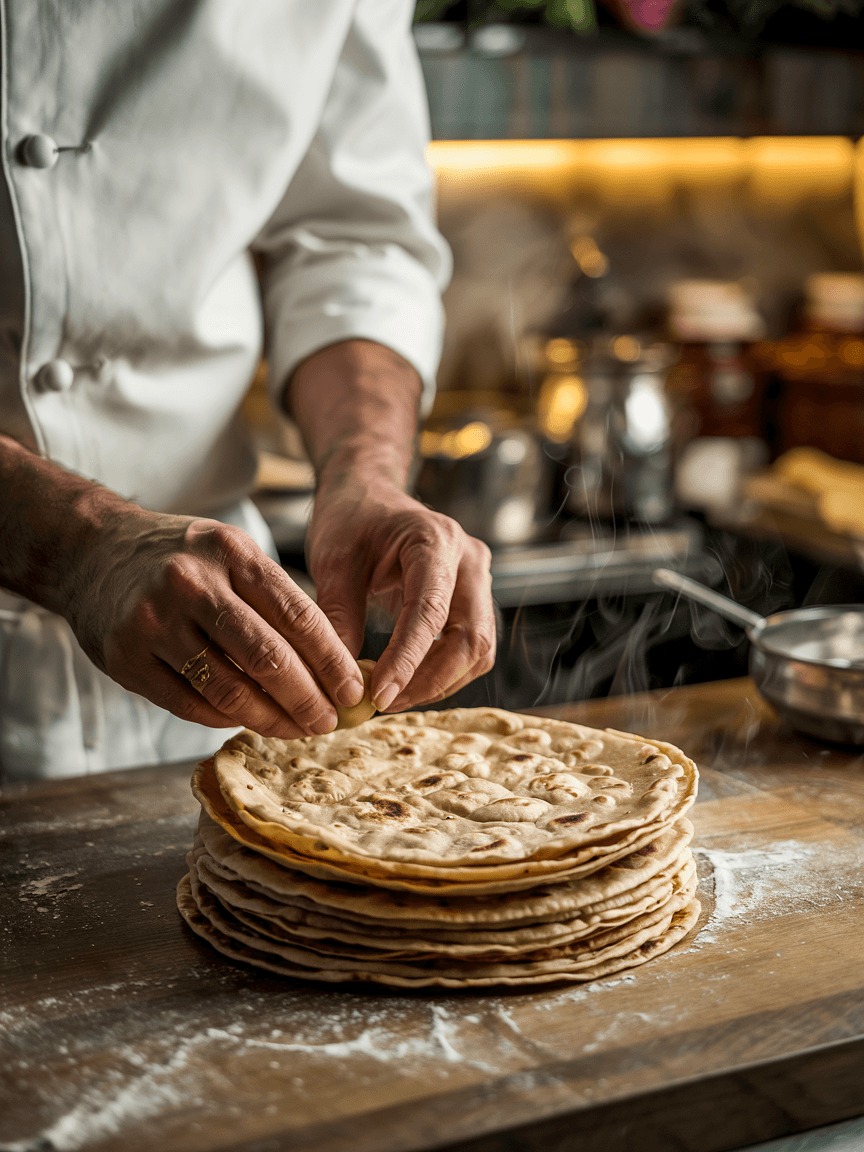
Softness comes from more than the flour
The wheat, grind, amount of water, resting time and cooking method all influence a roti. If a new atta makes a firmer dough than your usual one, adjust the method before assuming it cannot make soft rotis.
Keep the first trial simple. Use the same pan and recipe, then change one thing at a time. That makes it easier to find a repeatable result.
Fine atta is not automatically refined atta
Fine grinding reduces particle size; refining removes grain components. Flour can be finely ground while retaining the whole grain. Ask what the mill retains and whether the flour is sifted, rather than judging nutrition from touch alone.
A label or reliable product information is more useful than a fixed nutrition chart based only on fine versus coarse texture. We do not assign a glycemic-index value or nutrient-loss percentage to a flour without evidence for that specific product.
Build a workable dough
Add water gradually and mix until the flour is evenly moistened. Knead into a soft, manageable dough, cover it and give it time to rest. Recheck the feel before rolling: the dough should not be dry at the edges or so sticky that it needs large amounts of dusting flour.
- Use your usual recipe as a starting point, not a fixed water rule for every atta.
- If the dough feels dry, work in a little water rather than adding it all at once.
- Keep unused dough portions covered while you roll.
- Use only enough dry flour to prevent sticking.
Watch the pan and cooking time
Roll each roti evenly so thin and thick areas do not cook at very different speeds. Use a well-heated pan and adjust the heat as you work. Leaving a roti on a low pan for too long can dry it out; very high heat can burn it before it cooks through.
Once cooked, keep rotis covered in a clean container suitable for food. If you use oil or ghee, treat it as part of your recipe rather than an essential cure for every texture problem.
Choose the meal as well as the texture
Softness does not decide the nutritional value of the whole meal. Include foods you enjoy alongside the roti, and follow any individual dietary plan rather than a universal number of rotis per meal.
If you add a new grain or pulse flour, start with a small batch: the dough may need different water and handling. A useful recipe is one your household can cook consistently and enjoy.
Find flour for your kitchen
See current ingredients, quantity choices and prices in the product listing.
Explore the catalogue