Everyday choices
Whole Wheat Bread or Roti? A Practical Choice for Your Family
Compare ingredients, portions, convenience and meal combinations when choosing whole wheat bread or roti for your household.
Both can have a place at the table
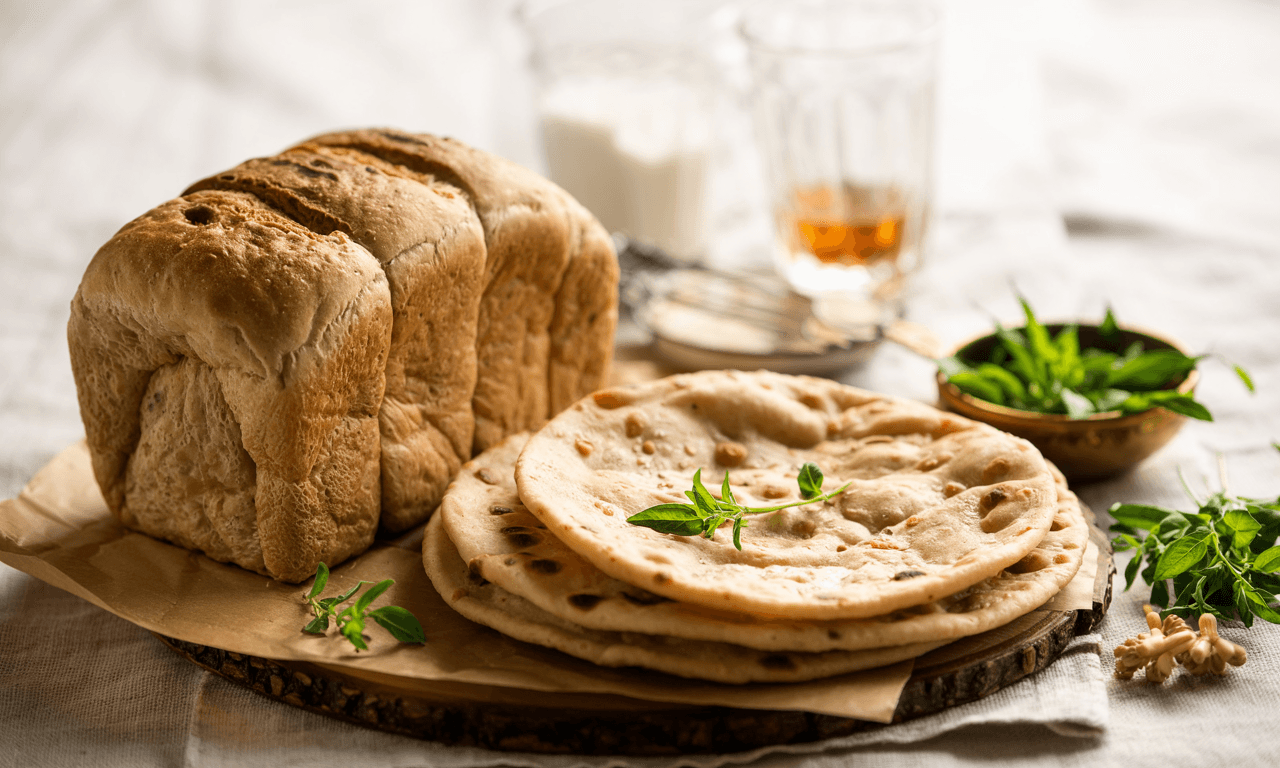
Whole wheat bread and whole wheat roti are different foods made in different ways. Neither is automatically the better choice for every child or every meal. Ingredients, portion size, accompaniments and what your family will eat matter.
Bread is convenient for a quick sandwich. Roti offers a familiar freshly cooked option. Many households can use both without turning a daily meal into a competition.
Compare the actual products
For packaged bread, read the ingredient list and nutrition panel. Brown colour or a multigrain name alone does not tell you how much whole-grain flour it contains. For roti, consider the atta used and any added fat or salt.
- Check the flour ingredients rather than relying on the front of the pack.
- Compare nutrition values using the same weight, as well as the amount you serve.
- Consider added sugar and salt in the context of the meal.
- Check allergens and storage instructions.
Sources: WHO: Healthy diet
Avoid universal nutrition scores
One slice of bread and one roti may have very different weights. A fair comparison needs a defined recipe and portion. The same caution applies to claims that all rotis have a lower glycemic index or more protein than all breads.
A short ingredient list can be useful for understanding a food, but an unfamiliar ingredient name alone is not evidence that a product is harmful. Choose on the basis of the actual information available.
Build a suitable family meal
Think about the filling or side dish as well as the bread or roti: vegetables with a suitable protein food can make either option more varied. Let family preferences and practical preparation time guide your routine.
For young children, use textures and pieces appropriate to their eating skills. Follow individual advice for allergies or feeding difficulties. Wheat bread and wheat roti both contain gluten and are unsuitable for a medically required gluten-free diet.
Sources: NIH NIDDK: Gluten and cross-contact in celiac disease
Make the convenient choice work
Keep bread according to its label and prepare roti with a method that fits your day. For lunchboxes, consider the safety and storage needs of the filling as well as the outer bread.
Children can join age-appropriate preparation tasks, such as choosing vegetables or helping mix ingredients. Keep raw flour and dough out of tasting or play activities, and cook flour-based foods before eating.
Sources: FDA: Flour is a raw food
Find flour for your kitchen
See current ingredients, quantity choices and prices in the product listing.
Explore the catalogue