Milling & quality
Stone Mill or Steel Pulverizer? What to Check Before Milling Atta
Compare milling methods by cleanliness, grain handling, whole-grain retention and roti results, without relying on unsupported safety claims.
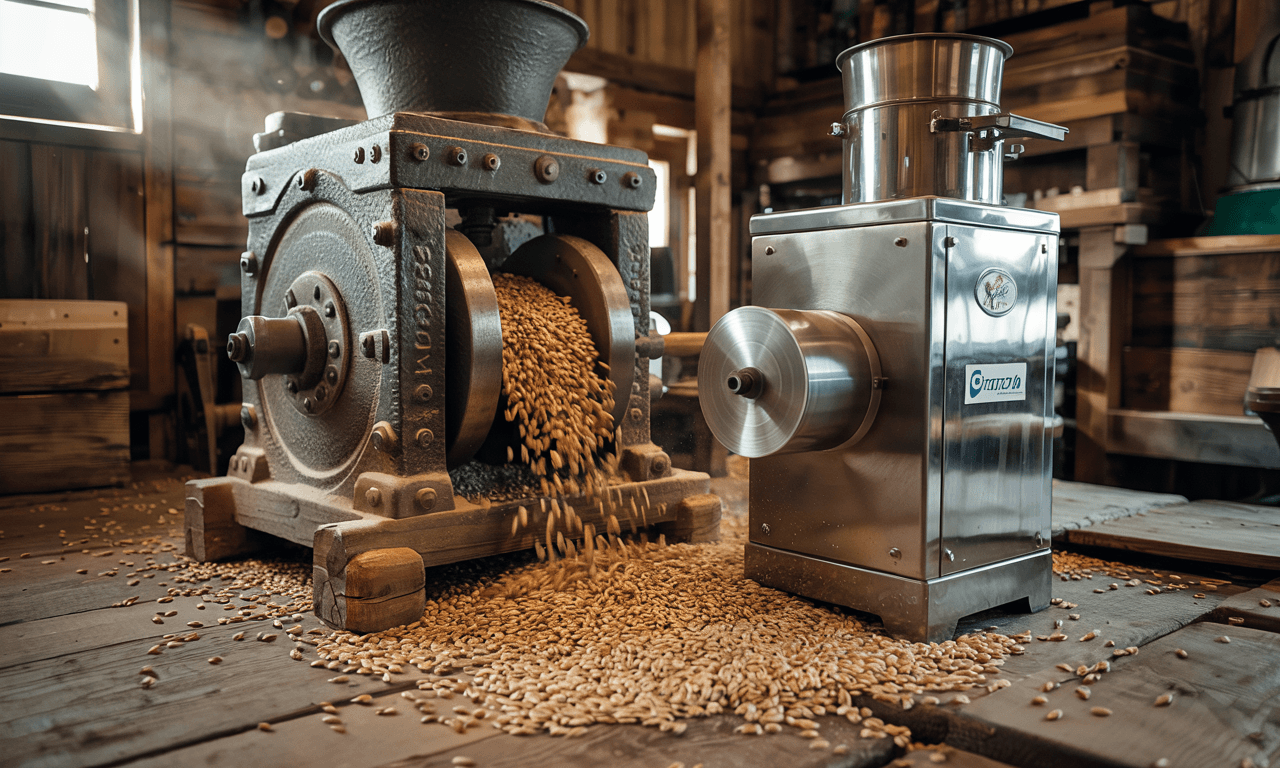
Look beyond the machine's name
A stone chakki and a steel pulverizer can produce flour with different textures. That does not make every stone mill safe or every steel mill unsafe. Grain quality, equipment condition and handling matter alongside the milling method.
Ask what happens to your grain from arrival to packing. A mill that can explain its cleaning, maintenance and flour collection practices gives you more useful information than a promise that one machine preserves every nutrient.
Fine grinding and refining are different
Grinding makes particles smaller. Refining removes parts of the grain. Ask whether bran and germ remain in the finished atta, and whether anything is sifted out or added back. A fine texture alone cannot tell you the flour's fibre content.
Milling can generate heat, but temperature depends on the equipment, settings and workload. Without measurements, a fixed claim about nutrient loss or a machine's superiority is not a reliable comparison.
Ask about upkeep and contamination controls
FSSAI's flour-milling guidance treats maintenance, sanitation and pest prevention as linked parts of food safety. The useful question is how a particular mill manages these, rather than assuming its grinding surface provides protection.
- When was the milling chamber last cleaned internally?
- How are damaged components and unusual wear identified?
- How are grain impurities and foreign materials controlled?
- Are different grains handled on shared equipment?
Compare a small batch in your kitchen
Use the same recipe and compare water needs, rolling, flavour and softness after cooling. Keep notes on the wheat, grind and milling date so the comparison is fair. An unfamiliar result may need a water or cooking adjustment before you change the flour.
Whichever method you choose, flour is generally a raw ingredient. Cook dough thoroughly rather than tasting it raw.
Sources: FDA: Flour is a raw food
Choose the process you can understand
If you enjoy freshly stone-ground atta, choose it for the texture, freshness and service you value. Also check the mill's hygiene and product information. Those checks are more useful than fear-based claims about steel particles, cancer or guaranteed nutrient retention without supporting evidence.
Find flour for your kitchen
See current ingredients, quantity choices and prices in the product listing.
Explore the catalogue