Milling & quality
What to Ask Your Chakki About Internal Machine Cleaning
A practical checklist for understanding a flour mill's internal cleaning, maintenance and shared-grain handling before you place an order.
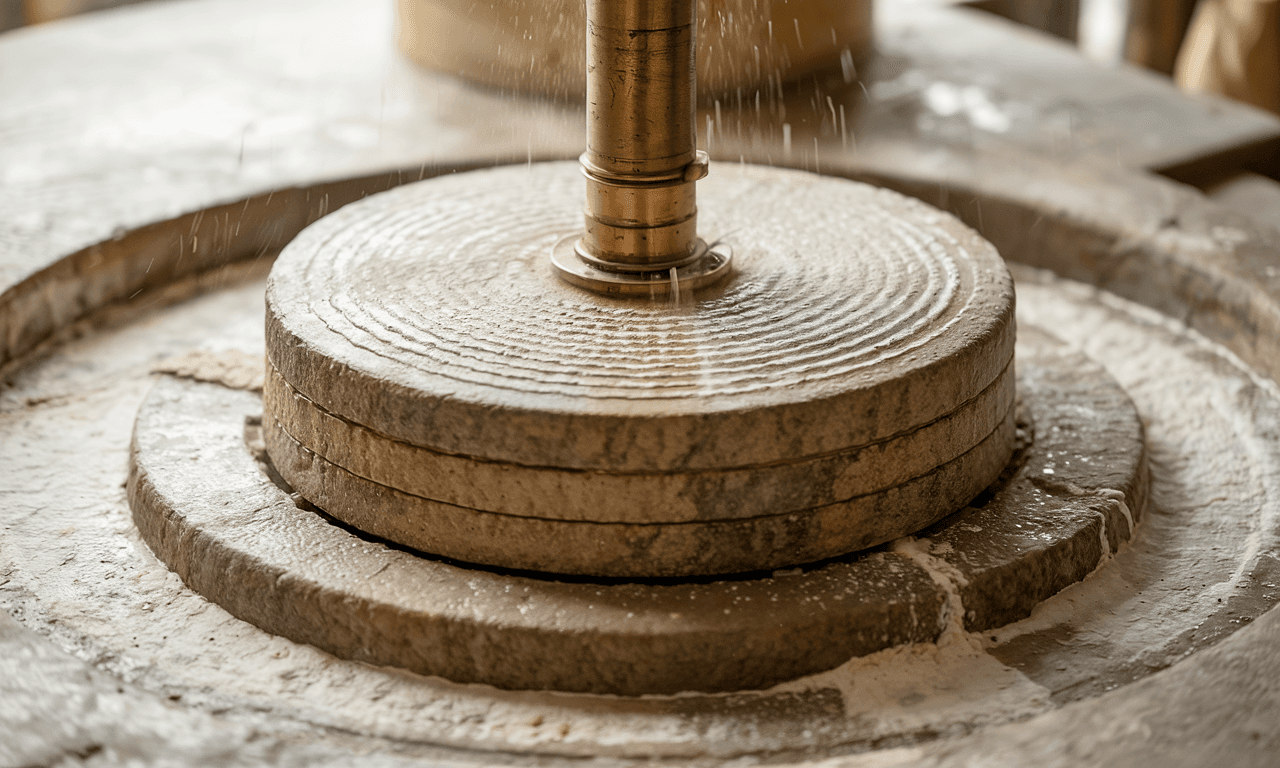
A clean counter is only part of the picture
The outside of a chakki is easy to see. Its hopper, flour passages and collection areas are less visible. Asking how these parts are cleaned is a reasonable part of choosing a mill.
Fresh grain can pass through equipment that has processed earlier batches. A useful cleaning conversation covers internal residue and maintenance, as well as sweeping flour from the shop floor.
Ask for a routine, not a universal timetable
FSSAI's milling guidance calls for planned cleaning and maintenance across the facility. The right method and frequency depend on equipment design and the work being done; there is no single interval that suits every chakki.
- Which components are checked each day?
- When are harder-to-reach parts inspected and cleaned?
- Who follows the equipment manufacturer's cleaning instructions?
- Is there a record of cleaning, pest checks and repairs?
Understand shared milling
A shop may process wheat, millets, pulses and other grains on the same equipment. Ask how batches are separated and what shared-milling information is provided.
This matters particularly when a household must avoid gluten. A naturally gluten-free grain can come into contact with wheat during processing; milling a different grain afterwards is not proof that the equipment is suitable for a medically required gluten-free diet.
Sources: NIH NIDDK: Gluten and cross-contact in celiac disease
Leave dismantling to trained operators
Internal maintenance belongs with people trained to work on that machine. Customers should not open guards, reach into equipment or suggest an improvised cleaning chemical. Operators should follow the manufacturer's isolation and cleaning procedures.
For dry milling equipment, adding water is not automatically a suitable cleaning method. The mill should use a documented process appropriate to its design, including drying where wet cleaning is permitted.
Keep the flour well after collection
Take the flour home in suitable packaging, transfer it to a clean, dry container and follow the product's storage instructions. Keep the label and purchase details if you need to report a concern.
A specific question—such as when a chamber was last inspected—is more useful than assuming all local mills are unhygienic or demanding an unverified certificate. Clear answers and consistent practices are the goal.
Find flour for your kitchen
See current ingredients, quantity choices and prices in the product listing.
Explore the catalogue