Kitchen & storage
Should You Refrigerate Atta? Storage and Roti-Making Tips
Store whole wheat flour away from heat and moisture, manage condensation during cold storage and get your dough ready for better rotis.
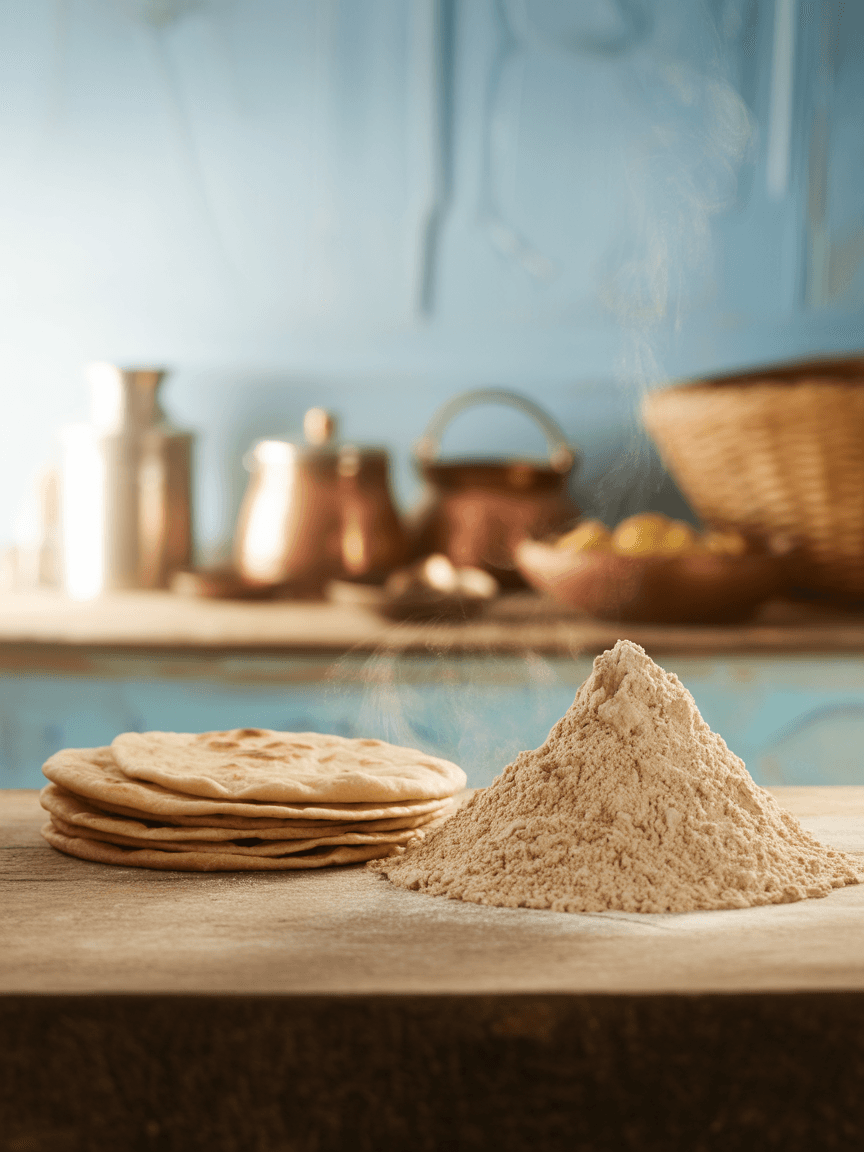
Think about your kitchen and how fast you use flour
A small batch of atta used promptly in a suitable cool, dry place may fit one household. A hot kitchen or slower use may make cold storage worth considering. The packaging instructions and condition of the flour should guide the decision.
Whole wheat flour contains the germ as well as the bran and endosperm. Good storage helps protect its quality. Utah State University Extension advises keeping flour tightly sealed away from heat and moisture and identifies freezer storage as a way to prolong whole wheat flour's shelf life.
Sources: Utah State University Extension: Storing baking ingredients
Seal it before chilling it
Use a clean, dry, food-safe container or suitable sealed freezer bag. Protect the flour from moisture and odours, and label the batch so it is not forgotten at the back of the fridge.
For a larger quantity, consider separate portions instead of repeatedly opening and warming the entire supply. Do not put fresh flour into a container that still holds old residue.
Keep condensation out
When a cold container enters a warm, humid kitchen, moisture can collect as it warms. Keeping a small portion sealed while it comes towards room temperature can help avoid exposing the flour to that moisture.
Use a dry scoop and avoid returning damp utensils or leftover dough to the flour container. Cold storage does not compensate for poor sealing or a wet container.
Adjust dough by feel
You may notice that cold flour changes the temperature and feel of a dough. Use your usual recipe as a starting point, add water gradually and allow the covered dough to rest before deciding whether it needs adjustment.
Try a small batch and compare rolling and cooking results. Cold-stored flour does not automatically produce tough rotis, and there is no single warming time that suits every batch or kitchen.
Cold storage is not a new expiry date
There is no universal three-month or two-year shelf life for every atta. Grain type, initial condition, packaging and storage all vary. Follow the product's stated best-before and use instructions rather than extending them because the flour has been refrigerated.
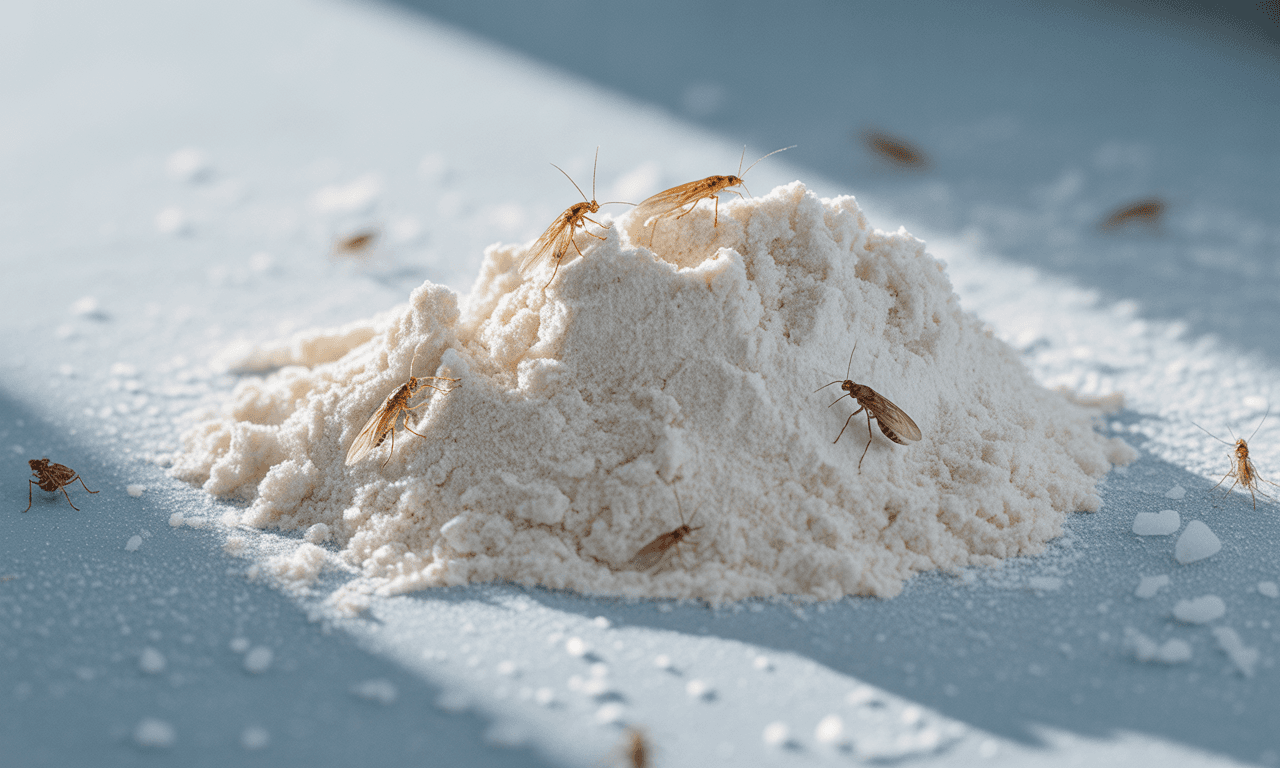
Do not use flour with visible mould, damp spoilage, live pests or an unusual rancid smell. Refrigeration cannot turn spoiled or infested flour back into a suitable product. If a recent purchase concerns you, retain its details and contact the supplier.
Often the simplest improvement is to buy an amount you can use comfortably, date it and store it consistently.
Find flour for your kitchen
See current ingredients, quantity choices and prices in the product listing.
Explore the catalogue