Grains & ingredients
Swastah Ayurvedic Atta: Ingredients and Everyday Use
Explore the six-grain-and-pulse recipe, how to prepare it and what the Ayurvedic product name does—and does not—tell you about the blend.
A blend to understand by its ingredients
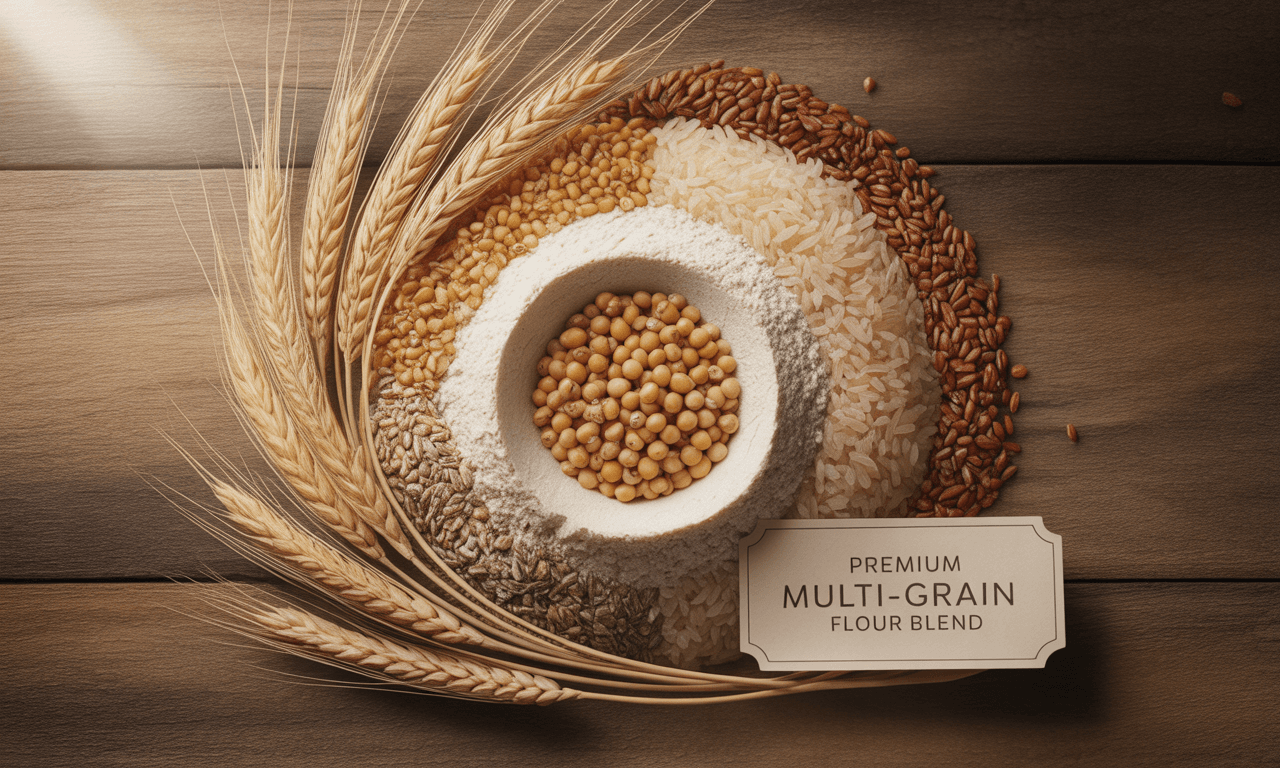
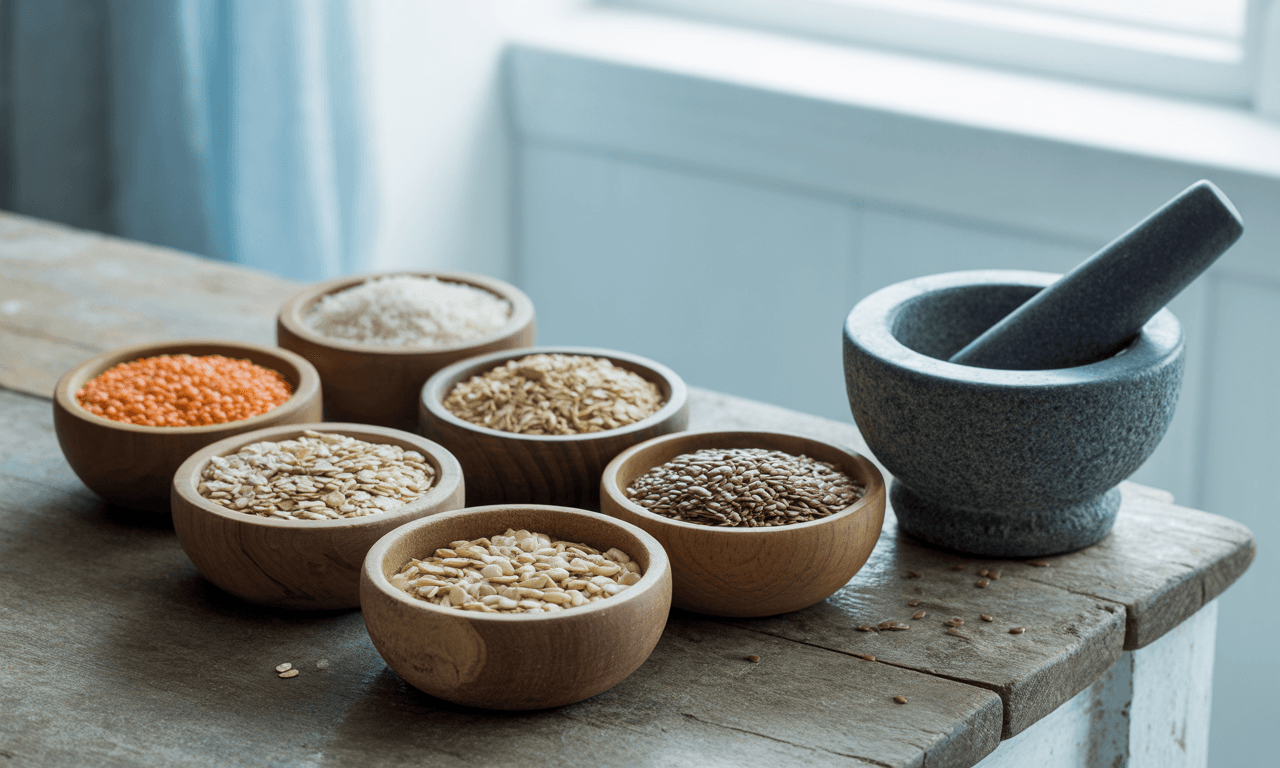
Swastah's Ayurvedic Atta combines wheat, barley, chana dal, rice, ragi and bajra. The following recipe matches the public product ingredient list checked for this review. Always use the current product label if the formulation changes.
| Ingredient | Share | Amount |
|---|---|---|
| Whole wheat | 35% | 350 g |
| Jau (barley) | 15% | 150 g |
| Chana dal | 15% | 150 g |
| Rice | 15% | 150 g |
| Ragi | 10% | 100 g |
| Bajra | 10% | 100 g |
Traditional terminology is not a clinical result
Ayurvedic food traditions discuss constitutions called doshas. The name of this atta reflects that tradition; it does not demonstrate that a flour balances every person's doshas or treats a health condition.
NCCIH notes limits in the clinical evidence for Ayurvedic approaches. A grain blend should be chosen as a food, without promises about curing reflux, reducing inflammation or controlling diabetes.
Try a small batch in familiar recipes
Start with roti or a recipe you know. Add water gradually, knead, cover and rest the dough, then check its feel before rolling. The mixed ingredients may behave differently from your regular wheat atta.
Keep the first batch small so you can adjust water and cooking without wasting flour. Use a balanced meal around it rather than expecting one blend to supply everything your household needs.
Check suitability for your household
This blend contains wheat and barley, so it is not gluten-free. The public label also describes shared milling, where traces of other grains or flours may occur. Check the actual packaging if your household has an allergy or prescribed restriction.
Sources: NIH NIDDK: Gluten and cross-contact in celiac disease
Use the current storage and support information
The public storage guidance checked for this review says to transfer the flour from its transport bag into an airtight container, protect it from heat, moisture and insects, and consume it within the stated 30-day period. Follow your supplied label and storage conditions.
Keep the product label and order details if you have a quality concern. Contact current Swastah support for an assessment; the published terms explain the complaint process and applicable remedies.
Find flour for your kitchen
See current ingredients, quantity choices and prices in the product listing.
Explore the catalogue